
The Main Types of Heaters for Home Use in Australia
Australian winters have a habit of sneaking up on you. One week it's mild and manageable, the next you're reaching for every blanket in the house. Picking the wrong type of heater for home use in Australia can mean sky-high electricity bills, uneven warmth or a unit that simply can't keep up with a cold southern winter. This guide cuts through the noise with a practical comparison of the five main options: reverse cycle split systems, panel and convection heaters, radiant heaters, oil-filled column heaters and gas heating. No fluff, just what you need to make the right call for your home and budget.
Key takeaways
- Reverse cycle split systems are the most energy-efficient types of heaters for home use in Australia.
- Portable electric heaters cost three to four times more to run than reverse cycle systems.
- Gas heating costs have risen sharply and now rival high-efficiency electric options.
Reverse Cycle Split Systems: The Most Efficient Home Heating Option
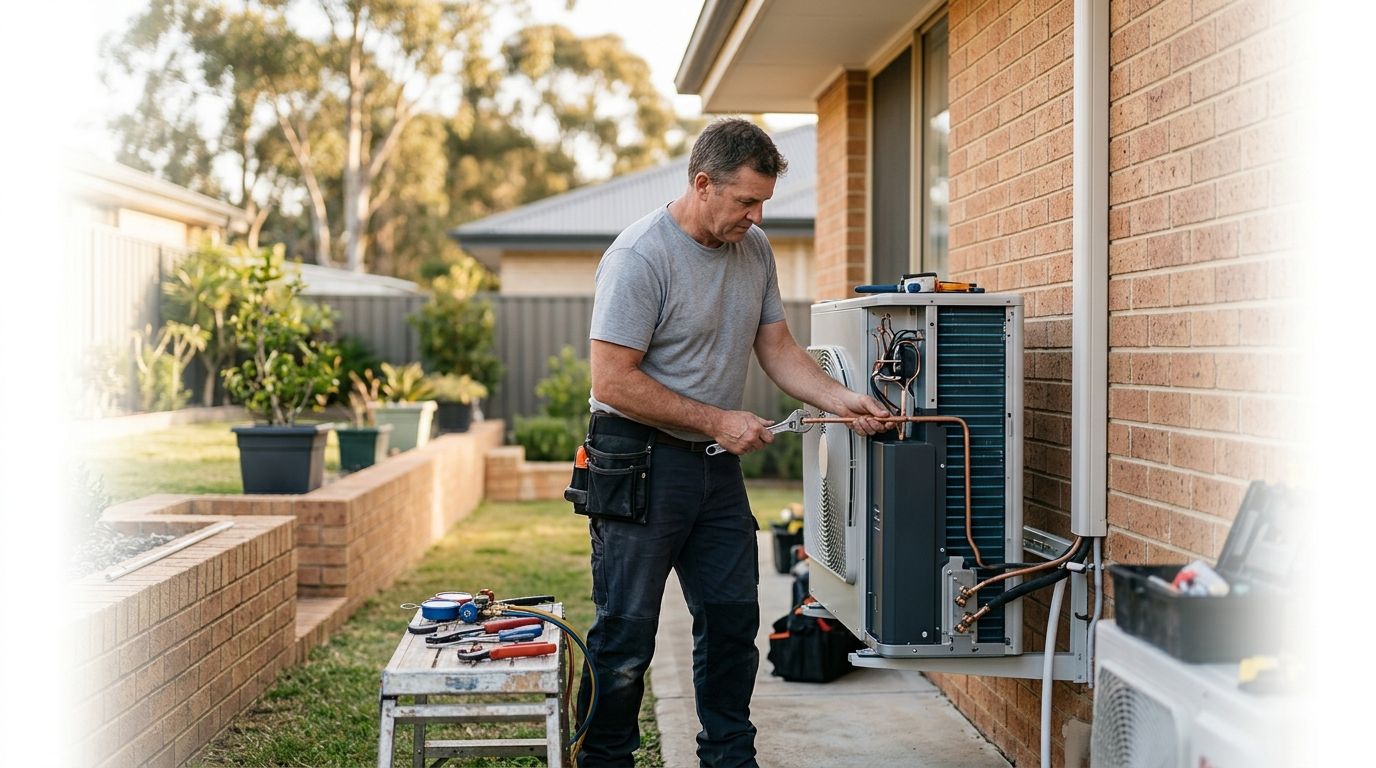
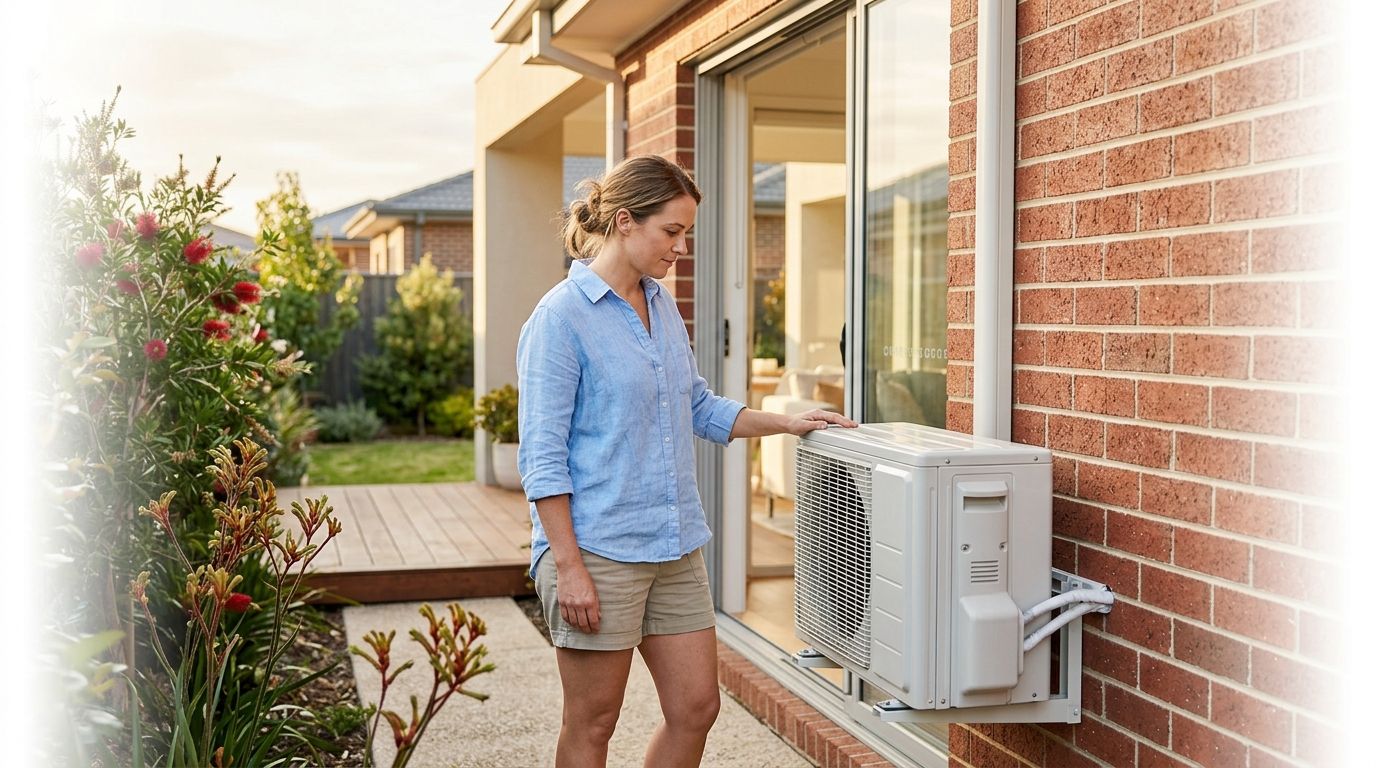
Reverse cycle split systems are the most energy-efficient electric heating option available for Australian homes. Rather than converting electricity directly into heat, they use a refrigerant cycle to pull warmth from the outside air and transfer it indoors. This process delivers three to five units of heat energy for every single unit of electricity consumed, a ratio known as the Coefficient of Performance (COP). No other electric heater comes close to that efficiency.
The practical advantages go well beyond efficiency. A single reverse cycle unit handles both heating in winter and cooling in summer, so you're not buying separate appliances for each season. Inverter-driven compressors adjust their output continuously to maintain your target temperature, rather than switching on and off at full power like older fixed-speed models. There's no open flame, no combustion and no need to store fuel, which makes them a safe and low-maintenance choice for families.
Reverse cycle systems suit most Australian climates, including the colder southern states. Modern units from Daikin, Mitsubishi Electric and Fujitsu are rated to operate in outdoor temperatures as low as minus 15 to minus 20 Celsius, so a cold Canberra or Ballarat night won't leave you without heat.
The main trade-off is upfront cost. A quality split system requires professional installation and a higher purchase price than a portable heater you can grab off a shelf. For a small room up to around 20 square metres, the Daikin 2.5kW Cora Inverter Split System (FTXV20WVMA) is a solid entry-level choice at $982. For bedrooms and medium-sized living areas, the Daikin 3.5kW Alira X Inverter Split System (FTXM35YVMA) is one of the most popular mid-range options at $1,412. If you're heating a large open-plan space, the Mitsubishi Electric 6kW AP Series Split System (MSZ-AP60VGKD2) at $1,967 is a strong performer that handles the extra load without breaking a sweat. Browse our full range of split system air conditioners to compare sizes and brands side by side.
The higher purchase price typically pays for itself within a few years through lower running costs, particularly if you're replacing a portable electric heater you've been relying on daily.
How Much Does It Cost to Run a Reverse Cycle System?
Running costs are where reverse cycle systems really separate themselves from other electric heaters. A reverse cycle split system typically costs between $0.10 and $0.25 per hour to run, depending on the unit's size and your local electricity tariff. A standard electric panel heater of equivalent heat output costs roughly $0.40 to $0.60 per hour to run. Over a full winter, that difference adds up to hundreds of dollars.
Inverter models are more efficient than fixed-speed units because they modulate their power draw to match the actual heating demand rather than cycling on and off at full capacity. A fixed-speed unit running at 100% power intermittently uses more energy than an inverter running steadily at 40 to 60% capacity to hold the same temperature. If you want to understand exactly how inverter technology works and why it matters for your power bill, our guide to inverter air conditioner technology explains it in plain terms. All three Daikin and Mitsubishi Electric models mentioned above use inverter compressors, which is one reason they're worth the extra investment over budget fixed-speed alternatives.

Electric Heaters: Panel, Radiant and Oil-Filled Options Compared
Panel heaters, radiant heaters and oil-filled column heaters are the three most common portable electric heating options in Australian homes. All three convert electricity directly into heat at 100% efficiency, meaning one unit of electricity produces exactly one unit of heat. That sounds good on paper, but it makes them significantly more expensive to run than a reverse cycle system, which produces three to five units of heat per unit of electricity consumed.
Here's how the three types compare across the factors that matter most:
| Heater Type | Best For | Upfront Cost | Running Cost (approx. per hour) | Pros | Cons |
|---|---|---|---|---|---|
| Panel / Convection Heater | Whole-room heating, living areas | $50 to $200 | $0.40 to $0.60 | Quiet operation, no installation needed, heats the whole room evenly | Expensive to run long-term, slow to heat large spaces |
| Radiant / Infrared Heater | Spot heating, outdoor areas, small zones | $30 to $150 | $0.25 to $0.45 | Instant warmth, no warm-up time, effective for targeted heating | Only heats people and objects in direct line of sight, not suitable for whole rooms |
| Oil-Filled Column Heater | Bedrooms, small rooms, overnight use | $80 to $250 | $0.30 to $0.50 | Retains heat after switching off, quiet, no fan noise | Slow to warm up, heavy and less portable than panel heaters |
All three options are best suited to supplementary or occasional heating rather than daily whole-home use. If you're running a panel heater for four to six hours a day through a Victorian or Tasmanian winter, the running costs stack up fast. Over a full three-month winter, that's potentially $150 to $300 in electricity just for one room. For regular daily heating, a reverse cycle split system will almost always be cheaper to run over the medium and long term, even after accounting for the higher upfront cost.
That said, portable electric heaters have a genuine place. They're ideal for renters who can't install a fixed system, for heating a single room occasionally, or as a backup when your main system needs servicing.
Gas Heating: Ducted Gas and Flued Gas Heaters
Gas heating remains common in Australian homes, particularly in Victoria, South Australia and parts of New South Wales where natural gas networks are well established. The two main options are ducted gas central heating and room-based flued or unflued gas heaters. Each suits a different situation, and both come with trade-offs worth understanding before you commit.
Ducted Gas Central Heating
Ducted gas heating uses a central furnace, typically installed in the roof or under the floor, to push warm air through a network of ducts and vents throughout the home. It's a whole-home solution that can heat every room simultaneously, which makes it popular in larger houses in colder southern climates. Upfront installation costs are significant, generally ranging from $3,000 to $8,000 depending on the size of the home and the complexity of the ductwork. For a full breakdown of how the system works, see our guide on how ducted gas heating works.
Historically, gas offered a clear running cost advantage over electric resistance heating. That advantage has narrowed considerably in recent years as gas prices across Australia have risen sharply. In some states, the per-unit cost of gas heat now sits close to, or in some cases above, what a high-efficiency reverse cycle system costs to run. It's worth getting current gas tariff figures from your energy retailer before assuming gas will be cheaper.
One firm limitation of ducted gas heating is that it's heating only. There's no cooling function, so you'll still need a separate air conditioning system for summer. That means two systems to purchase, maintain and eventually replace.
Flued and Unflued Gas Heaters
Flued gas heaters are room-based units connected to an external flue that vents combustion gases outside. They heat a single room effectively and cost less to install than a full ducted system. Unflued gas heaters have no external vent at all, which makes them cheaper and easier to install but means combustion byproducts, including water vapour, carbon dioxide and small amounts of nitrogen dioxide, are released directly into the room. This is a genuine health consideration, particularly in bedrooms, small rooms or homes with children, elderly occupants or anyone with respiratory conditions. If you use an unflued gas heater, adequate ventilation is essential. Many health authorities recommend against using unflued gas heaters in sleeping areas entirely.
Gas room heaters are a practical option for households already connected to natural gas who want to heat one or two rooms without the cost of a full ducted installation. Just go in with clear eyes about the ventilation requirements and the fact that, like ducted gas, they provide no cooling in summer.
How to Choose the Right Heater for Your Home
Choosing the right heater comes down to four practical factors: the size of the space you're heating, the climate you live in, your budget split between upfront and running costs, and whether you need cooling in summer as well. Getting these four things right will narrow your options quickly and save you from buying a heater that's either underpowered or unnecessarily expensive to run.
Room Size
Room size is the most direct factor in matching a heater to a space. Small rooms under 20 square metres, such as a single bedroom or study, are well served by a portable panel heater or a compact split system like the Daikin 2kW Cora (FTXV20WVMA) at $982. Medium rooms between 20 and 40 square metres, covering most living rooms and master bedrooms, suit a 2.5 to 3.5kW reverse cycle split system. The Daikin 3.5kW Alira X (FTXM35YVMA) at $1,412 is a popular choice in this range. Large open-plan areas above 40 square metres need 5kW or more, or a ducted solution. The Mitsubishi Electric 6kW AP Series (MSZ-AP60VGKD2) at $1,967 handles these spaces comfortably. For a detailed breakdown of how to match kilowatts to square metres, see our guide on what size air conditioner you need.
Climate
Where you live matters as much as the size of your room. Colder climates like Melbourne, Canberra and Tasmania experience sustained winter temperatures that demand a reliable, efficient heating solution. Reverse cycle split systems and ducted gas are the practical choices here. In milder climates like Brisbane or coastal Queensland, winters are short and rarely severe, so a portable electric heater used occasionally may be all you need. Buying a full split system for a Brisbane bedroom that gets cold for six weeks a year is a reasonable investment if you want summer cooling too, but it's less urgent on heating grounds alone.
Budget: Upfront Cost vs. Running Cost
A cheap panel heater might cost $80 off the shelf, but running it for four hours a day through a Melbourne winter can add $150 to $250 to your electricity bill over three months. A reverse cycle split system costs more upfront, but its running cost per hour is a fraction of a resistive electric heater. Over two to three winters, the split system typically pays back the price difference through lower bills. If your budget is tight right now and you only need occasional heating, a portable heater makes sense. If you're heating a room daily through a cold winter, the maths favour a split system.
Heating Only vs. Year-Round Use
If you live anywhere that gets genuinely hot in summer, a reverse cycle split system is the obvious answer. It heats in winter and cools in summer from a single unit, which means one purchase, one installation and one system to maintain. Gas heaters and portable electric heaters provide no cooling at all, so you'd need a separate air conditioner for summer anyway. For most Australian homeowners outside the tropics, a reverse cycle split system is simply the most practical all-in-one solution.
Ready to Find the Right Heater for Your Home?
For most Australian homes, a reverse cycle split system offers the best combination of energy efficiency, year-round versatility and long-term value. It heats in winter, cools in summer and costs significantly less to run than portable electric alternatives over a full season. That said, portable panel heaters and oil-filled column heaters have a genuine place for renters, occasional use or rooms that only need heating a few times a week. Gas heating remains a solid option in colder southern states, particularly for larger homes already connected to the gas network.
The right choice depends on your space, your climate and how often you'll actually use it. If you're ready to explore reverse cycle options, browse our full range of split system air conditioners to compare sizes, brands and prices across Daikin, Mitsubishi Electric, Fujitsu and more.
FAQ
What is the cheapest type of heater to run in Australia?
Reverse cycle split systems are the cheapest electric heating option to run in Australia. They deliver three to five units of heat for every unit of electricity consumed, compared to portable electric heaters that deliver just one unit of heat per unit of electricity. For daily heating through a cold winter, no other electric option comes close on running costs.
What type of heater is best for a bedroom?
For a bedroom, an oil-filled column heater is a practical low-cost option because it operates quietly and retains heat after switching off. A reverse cycle split system is the better long-term choice if you want efficient heating and summer cooling from a single unit. Avoid unflued gas heaters in bedrooms due to the combustion byproducts they release into the room.
Are reverse cycle air conditioners good for heating?
Yes, reverse cycle air conditioners are excellent heaters and are the most energy-efficient electric heating option available for Australian homes. Modern inverter models from brands like Daikin and Mitsubishi Electric operate effectively in outdoor temperatures as low as minus 15 to minus 20 Celsius, making them reliable even in cold southern climates like Canberra, Ballarat and Hobart.
Is gas or electric heating cheaper in Australia?
Gas heating used to be clearly cheaper than electric resistance heating, but rising gas prices across Australia have narrowed that gap significantly. A high-efficiency reverse cycle split system now costs roughly the same or less to run than ducted gas heating in many states. The answer depends on your local gas and electricity tariffs, so it's worth comparing current rates from your energy retailer before deciding.