
What Does Split System Air Conditioning Cost in Australia?
Split system air conditioning cost in Australia typically falls between $1,000 and $5,000 or more once you factor in both the unit and installation. That's a wide spread, and for good reason. The capacity you need, the brand you choose, and how straightforward your installation is can all shift the final number significantly. This guide breaks down exactly where your money goes, starting with supply-only unit prices by size, then installation costs, and finally the factors that push the total up or down.
Key takeaways
- Split system air conditioning cost ranges from $1,600 to $4,000 all-in for most Australian homes.
- Unit prices vary by capacity and brand, from $900 for 2.5kW to $3,000+ for premium 9kW models.
- Installation labour typically costs $600 to $1,200 depending on job complexity.
How Much Does the Unit Itself Cost? (Supply-Only Prices by Size)
The unit price alone varies considerably depending on the capacity and brand tier you choose. As a general rule, every step up in kilowatts adds to the price, and so does moving from a value-tier model to a premium one. The table below gives you a realistic supply-only price range for each common capacity, along with the typical room size each one suits.
| Capacity | Typical Room Size | Supply Price Range | Example Model |
|---|---|---|---|
| 2.5kW | Small bedroom (up to 20m²) | $900 to $1,300 | Mitsubishi Electric AP Series 2.5kW (MSZAP25VGKD) |
| 3.5kW | Medium bedroom or living room (20 to 35m²) | $1,100 to $1,600 | Daikin Cora 3.5kW (FTXV35WVMA) |
| 5 to 6kW | Large living area (35 to 60m²) | $1,400 to $2,200 | Daikin ALIRA X 3.5kW (FTXM35AVMA) as a premium 3.5kW reference |
| 7 to 9kW | Open-plan or large space (60m²+) | $1,800 to $3,000+ | Premium inverter models from Daikin, Mitsubishi Electric or Fujitsu |
To put some real numbers to those ranges: the Mitsubishi Electric AP Series 2.5kW Split System (MSZAP25VGKD) comes in at $1,076, making it a strong value-for-money entry point from a premium brand. Step up to a 3.5kW unit and you're looking at something like the Daikin Cora 3.5kW Inverter Split System (FTXV35WVMA) at $1,287, which sits comfortably in the mid-range. If you want built-in WiFi and a higher-spec finish at the same capacity, the Daikin ALIRA X 3.5kW Inverter Split System (FTXM35AVMA) is priced at $1,447, showing how model tier can add $150 to $200 even within the same kilowatt class.
Premium brands like Daikin and Mitsubishi Electric consistently sit at the higher end of each price band. That's not just badge value. These brands tend to offer better energy efficiency ratings, longer warranties and more reliable inverter technology. Value-tier options, including the Fujitsu Lifestyle range and the Daikin Lite series, deliver solid everyday performance at a noticeably lower price point, which makes them worth considering for secondary bedrooms or rental properties where running costs matter less than upfront cost.
Buying the unit directly from a specialist online retailer is almost always cheaper than purchasing through an installer. Most installers mark up the hardware, sometimes by 20 to 30 percent, because that margin helps cover their quoting and admin time. Buying supply-only and arranging installation separately gives you full visibility over what you're paying for each part of the job. Browse our range of split system air conditioners to compare units by size, brand and price before you commit.

Split System Installation Costs: What Tradies Charge in 2026
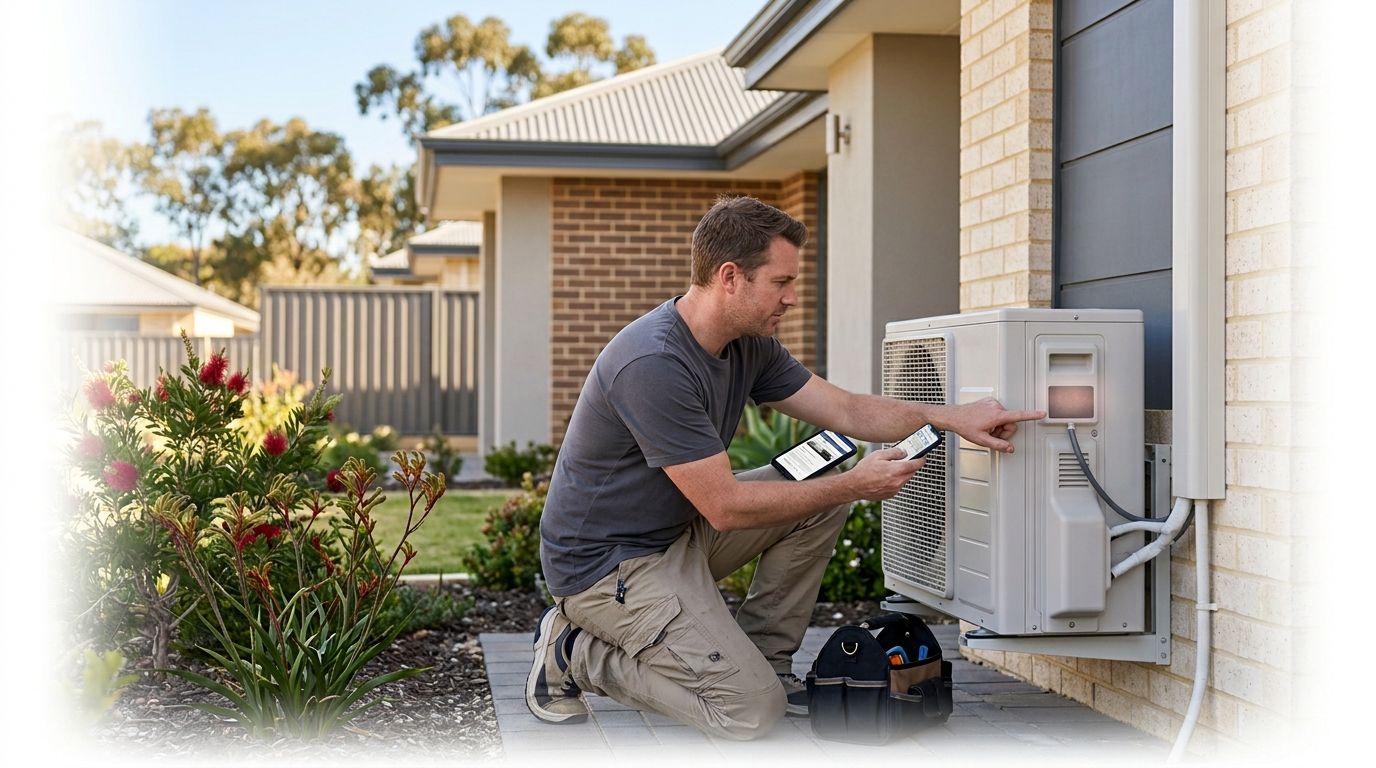
A standard single-head split system installation by a licensed installer typically costs between $600 and $1,200 in Australia, with the national average sitting around $800 for a straightforward job. That figure covers the labour to mount the indoor unit, position the outdoor unit, run the refrigerant pipe and electrical connections, and commission the system. What pushes the price above that baseline is almost always the complexity of the specific job.
The table below shows how installation cost shifts depending on what your job actually involves.
| Installation Scenario | Estimated Cost |
|---|---|
| Standard install (indoor and outdoor unit, same wall, short pipe run) | $600 to $900 |
| Longer pipe run or second-storey install | $900 to $1,400 |
| Electrical switchboard upgrade required | $300 to $600 extra |
| Concrete slab or bracket for outdoor unit | $100 to $250 extra |
By law, split system installation must be carried out by two licensed tradespeople. An ARC-licensed refrigerant handling technician is required to connect and pressure-test the refrigerant lines, and a licensed electrician must handle the dedicated circuit and any switchboard work. In practice, many installation companies employ both qualifications in-house, so you deal with one business rather than two separate contractors.
Some installers offer a bundled supply-and-install price, which can simplify the process. The trade-off is that it becomes harder to compare what you're actually paying for the unit versus the labour. Buying the unit separately and getting installation quotes independently gives you a clearer picture of both costs and more room to negotiate on each.
For a full breakdown of what drives installer pricing across different states and job types, see our air conditioning installation cost guide.
What Affects the Total Price? Key Cost Factors to Know
The total split system air conditioning cost for your home depends on four main variables: the capacity of the unit you need, the brand and model tier you choose, how complex your installation is, and what the system will cost to run over time. Getting each of these right means you avoid both overspending upfront and paying more than necessary on your electricity bill for years to come.
Unit Size and Capacity
Buying the wrong size is one of the most common and costly mistakes Australian homeowners make with air conditioning. An undersized unit runs almost constantly trying to reach the set temperature, which drives up running costs and accelerates wear on the compressor. An oversized unit short-cycles, switching on and off too frequently, which wastes energy and does a poor job of controlling humidity.
Before you settle on a unit, calculate the right capacity for your room based on its floor area, ceiling height, insulation and sun exposure. A 2.5kW unit suits a small bedroom up to around 20m², while a 5 to 6kW unit is more appropriate for a large open-plan living area. Our guide to what size air conditioner do I need walks through the full calculation room by room.
Brand and Model Tier
Within any given brand, you will typically find three tiers: entry-level, mid-range and premium. The differences are not just cosmetic. Premium models generally carry higher energy star ratings, which translates to lower running costs over the life of the unit. They also tend to operate more quietly, include features like built-in WiFi and advanced air filtration, and come with longer warranties, sometimes up to seven years on the compressor.
The Daikin ALIRA X 3.5kW (FTXM35AVMA) at $1,447 is a good example of how moving up a tier within the same capacity adds around $150 to $200 over a mid-range option like the Daikin Cora 3.5kW (FTXV35WVMA) at $1,287. Whether that premium is worth it depends on how heavily you plan to use the system and how long you intend to stay in the property.
Installation Complexity
As the table above shows, installation cost can vary by several hundred dollars depending on the specifics of your home. The four biggest variables are the length of the refrigerant pipe run between the indoor and outdoor units, the wall type (brick requires core drilling, which takes longer than timber framing), whether the outdoor unit needs to go on a second storey or a roof bracket, and whether your switchboard has capacity for a new dedicated circuit.
Getting two or three quotes from licensed installers before committing is always worthwhile. Prices for the same job can vary by $200 to $400 between installers, and a detailed quote will flag any additional costs before work begins rather than after.
Running Costs Over Time
A 3.5kW inverter split system typically costs between $0.30 and $0.50 per hour to run at current Australian electricity rates, making it one of the most cost-effective ways to heat or cool a single room or open-plan space. That compares very favourably to a ducted system running across a whole house, or a portable unit that draws similar power but delivers far less effective cooling.
The inverter technology in modern split systems is the key reason running costs stay low. Rather than switching the compressor on and off at full power, an inverter unit modulates the compressor speed to maintain the target temperature with minimal energy waste. Over a full summer and winter season, that efficiency difference adds up to a meaningful saving on your electricity bill. For a full calculation based on your usage hours and local electricity tariff, see our guide on how much power does an air conditioner use.
Is a Split System Worth the Cost? Our Honest Take
For most Australian homes, a split system air conditioner represents excellent value for money. The all-in cost for supply and installation typically lands between $1,600 and $4,000 for the vast majority of residential jobs, which is a fraction of what a ducted system costs to install. If you need to cool or heat one room, a couple of bedrooms, or a single open-plan living area, a split system will almost always be the most cost-effective solution available.
The smartest way to keep costs down is to buy the unit separately from a specialist online retailer and source your own licensed installer. Bundled supply-and-install packages from a single contractor are convenient, but they make it harder to see exactly what you are paying for the hardware versus the labour. Buying supply-only gives you full price transparency and removes the installer markup on the unit, which can run to 20 to 30 percent.
Ready to compare units across all major brands? Browse our full range of split system air conditioners to find the right capacity and brand for your home and budget.
Frequently Asked Questions
How much does it cost to install a split system air conditioner in Australia?
A standard split system installation in Australia costs between $600 and $1,200 for labour, with most straightforward jobs sitting around $800. That price covers mounting the indoor unit, positioning the outdoor unit, running the refrigerant lines and commissioning the system. More complex jobs involving long pipe runs, second-storey access or a switchboard upgrade will push the total higher.
What is the average price of a split system air conditioner?
Supply-only prices for a split system range from around $900 for a 2.5kW entry-level unit to $3,000 or more for a large 9kW premium model. A popular mid-range option like the Daikin Cora 3.5kW Inverter Split System (FTXV35WVMA) retails at $1,287, which gives you a reliable benchmark for a quality 3.5kW unit. Add $600 to $1,200 for installation and your all-in cost for a typical bedroom or living room job lands between $1,600 and $2,500.
Is it cheaper to buy a split system and install it separately?
Yes, in most cases buying the unit from a specialist retailer and arranging installation separately is cheaper than a bundled supply-and-install package. Installers who supply the unit typically mark up the hardware by 20 to 30 percent. Purchasing supply-only gives you full visibility over both costs and lets you shop around for the best installation quote independently.
How long does a split system air conditioner last?
A quality split system from a reputable brand will typically last 10 to 15 years with regular servicing, including annual filter cleaning and a professional service every two to three years. Premium brands like Daikin and Mitsubishi Electric often back their compressors with warranties of five to seven years, which reflects the expected lifespan of the core components. Skipping maintenance is the most common reason units fail well before that mark.