
What Is a Multi Head Split System and How Does It Work?
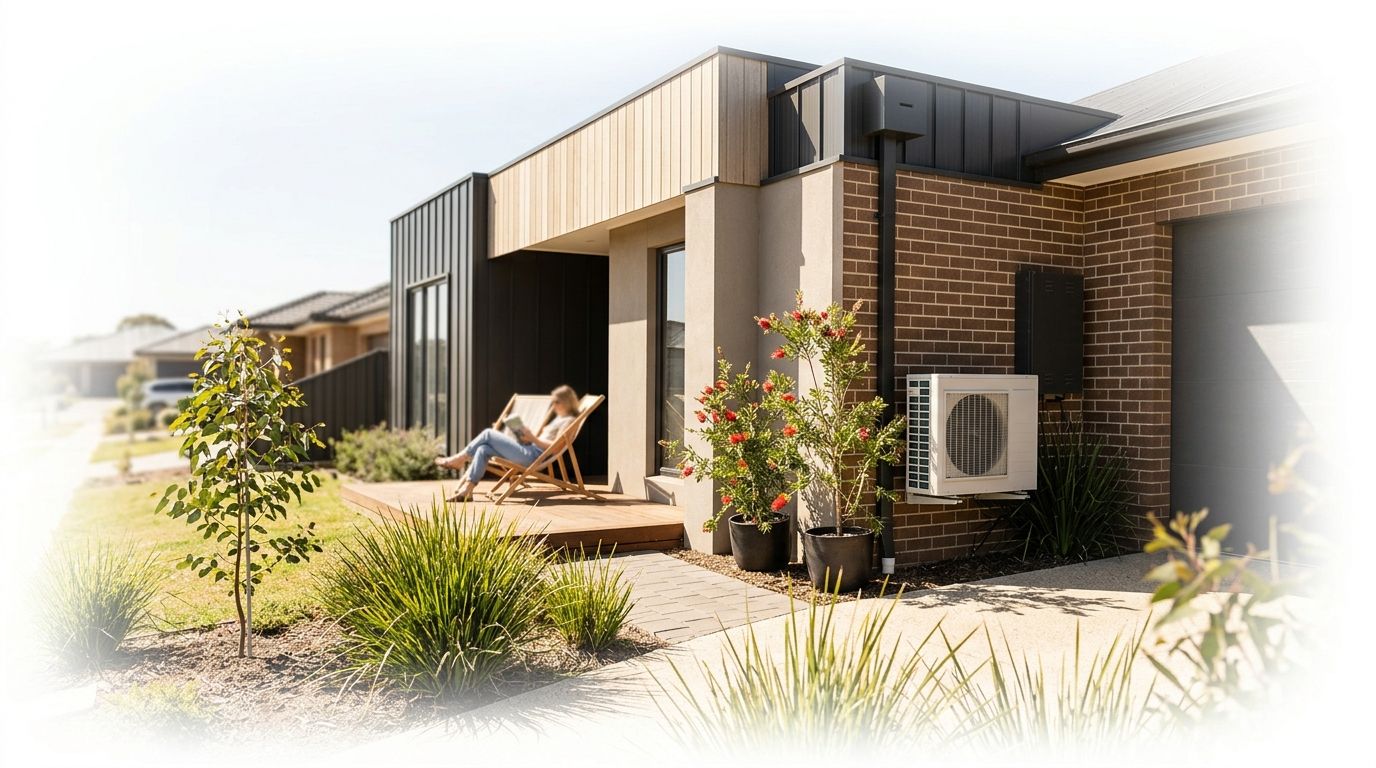
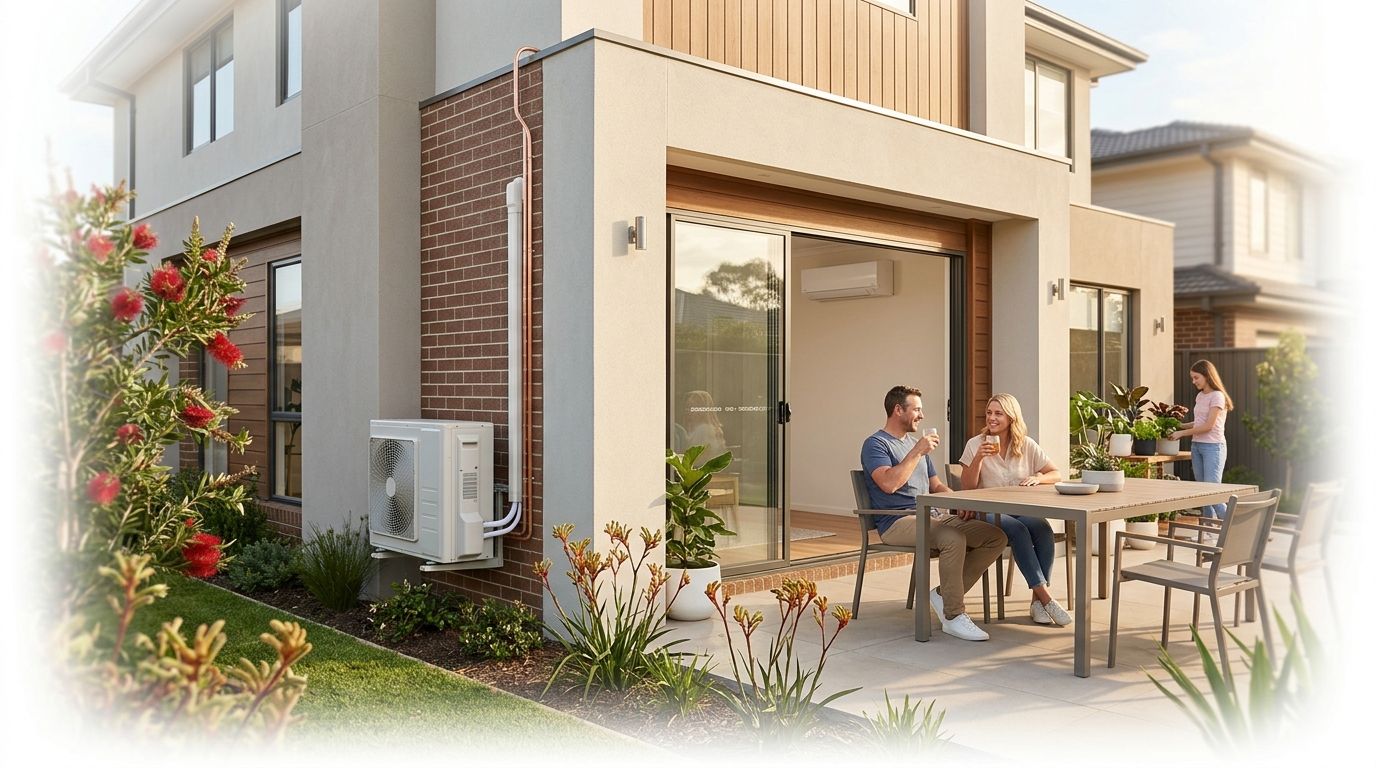
A multi head split system air conditioner connects multiple indoor units (called 'heads') to a single outdoor unit, letting you cool or heat several rooms from one compressor. Unlike a standard split system air conditioners setup where each indoor unit needs its own outdoor unit, a multi head system shares that outdoor unit across two, three, four or even five zones. The result is whole-home comfort without a row of compressors cluttering your outdoor space.
Each indoor unit operates independently, so you can run the bedroom at 20°C while leaving the living room off entirely. With a multi head setup, one outdoor unit does the heavy lifting for the whole house.
The most common configurations are two-zone, three-zone and four-zone systems, though five-zone setups are available for larger homes. Each zone gets its own wall-mounted or ceiling cassette indoor unit, and each can be controlled separately via remote or a smart app. The outdoor unit is sized to handle the combined load of all the indoor units, so getting the capacity balance right during installation is critical.
For homes where running refrigerant lines to multiple rooms is practical, a multi head system is one of the most flexible and space-efficient solutions available.
Key takeaways
- A multi head split system connects multiple indoor units to one outdoor unit, providing independent zone control across your home.
- Multi head systems are more space-efficient and less disruptive to install than ducted alternatives in existing homes.
- Two to four zones is the ideal range for most Australian households seeking cost-effective whole-home comfort.
Multi Head Split System vs Ducted Air Conditioning: Which Should You Choose?
The two most popular whole-home air conditioning solutions in Australia are multi head split systems and ducted air conditioning. Both can heat and cool your entire home, but they suit very different situations. Here is how they compare across the factors that matter most.
| Feature | Multi Head Split System | Ducted Air Conditioning |
|---|---|---|
| Upfront Cost | Moderate. Indoor units like the Mitsubishi Heavy Industries 2.5kW DXK09ZSA-WF1 start at $448 and the 3.5kW DXK12ZSA-WF1 at $517, with Panasonic's 2.5kW CS-MRZ25WKR coming in at $354. Total system cost varies by zone count. | Higher. Ducted systems typically cost more to supply and install, particularly in larger homes. |
| Installation Disruption | Low to moderate. Refrigerant lines run through walls but no ceiling cavity work is needed. | High. Ductwork requires significant ceiling cavity access, making it disruptive in existing homes. |
| Independent Zone Control | Yes. Each indoor unit is fully independent with its own controls. | Partial. Zoning is possible but adds cost and is less granular than individual unit control. |
| Aesthetic (Visible Units vs Hidden Vents) | Indoor units are visible on walls or ceilings in each room. | Only small vents are visible. The system is largely hidden, giving a cleaner look. |
| Suitability for Existing Homes | Good. Easier to retrofit without major structural work. | Difficult. Retrofitting ductwork into an existing home is costly and invasive. |
| Running Costs | Efficient when only some zones are in use, as unused units draw no power. | Can be less efficient if the whole system runs to condition only a few rooms. |
| Ideal For | Existing homes, renovators, households that use rooms at different times. | New builds, open-plan homes, buyers who prioritise a clean aesthetic throughout. |
A multi head split system is the stronger choice for most existing Australian homes, particularly where ceiling cavity access is limited or where different family members keep different schedules. Ducted air conditioning makes more sense in a new build where ductwork can be planned from the start, or in a home where a hidden, uniform look is the priority.

The Real Pros and Cons of a Multi Head Split System
Multi head split systems offer genuine advantages over both single splits and ducted systems, but they are not the right fit for every home or budget. Understanding the real trade-offs before you buy will save you from a costly mismatch between the system and how your household actually uses it.
Advantages of a Multi Head System
- One outdoor unit for multiple rooms. A single compressor handles two, three, four or more zones. This keeps your outdoor area tidy and avoids the visual clutter of multiple condensers lined up along a fence or wall.
- Independent temperature control per zone. Each indoor unit has its own controls, so one family member can run the bedroom at 20°C while another keeps the living room at 24°C. You are not locked into one temperature for the whole house.
- No ductwork required. Refrigerant lines run through small holes in the wall rather than through ceiling cavities. This makes installation far less invasive in existing homes compared to retrofitting a ducted system.
- Inverter efficiency. Almost all modern multi head systems use inverter technology, which adjusts compressor speed to match the actual load rather than cycling on and off at full power. This translates to lower running costs and more consistent temperatures. For a full breakdown of how inverter technology works and whether it is worth the premium, see our guide to What Is an Inverter Air Conditioner and Is It Worth the Extra Cost?
- Reverse-cycle heating and cooling in one system. You get year-round climate control from a single installation. There is no need for a separate heating system, which is a real cost saving in cooler Australian climates like Melbourne, Canberra or the Adelaide Hills.
Disadvantages to Consider
Multi head systems have some genuine drawbacks that are worth understanding before you commit to one over a set of individual split systems.
- Single point of failure. If the outdoor unit develops a fault, every zone in the house goes down at once. With individual split systems, a fault only affects one room. This is the most significant practical risk of a multi head setup.
- Capacity sharing between zones. The outdoor unit has a fixed total capacity that is shared across all indoor units. If you run every zone simultaneously at full blast, each unit may not reach its rated output. Most households never hit this limit in practice, but it is worth knowing if you plan to run all zones hard on the hottest days of the year.
- Higher upfront cost in some configurations. A multi head system can cost more to supply and install than a single split for one room. Compared to buying multiple individual splits, the savings on outdoor units can be offset by the more complex installation.
- Running costs when using fewer zones. If you only ever use one or two zones regularly, a single split system for those rooms may be cheaper to run. The outdoor unit in a multi head system still draws power to maintain refrigerant pressure across the whole circuit, even when most indoor units are off.
- Licensed installer required. Multi head systems involve more complex refrigerant pipework than a standard single split. You need a licensed refrigerant handling technician for the installation, and the job typically takes longer, which adds to labour costs.
How Much Does a Multi Head Split System Cost in Australia?
A multi head split system has two distinct cost components: the equipment itself (the outdoor unit plus each indoor unit) and the installation labour. For a 2-zone system in Australia, expect to pay somewhere between $2,500 and $5,000 all up. A 3-zone system typically runs $4,000 to $7,500, and a 4-zone setup can reach $6,000 to $10,000 or more depending on the brands chosen and the complexity of the installation.
These are realistic ballpark figures, not best-case scenarios. The actual number depends on the capacity of each indoor unit, the brand, how far the refrigerant lines need to run, and whether any electrical upgrades are required at the switchboard.
What Do Indoor Units Actually Cost?
Indoor units are priced separately from the outdoor unit, so it helps to understand what each zone costs on its own. At the entry level, the Panasonic 2.5kW Multi Head Indoor Unit CS-MRZ25WKR is priced at $354, making it one of the more competitive options at that capacity. Step up to Mitsubishi Heavy Industries and the 2.5kW Multi Head Avanti Indoor Unit DXK09ZSA-WF1 comes in at $448. If you need more output in a larger room, the Mitsubishi Heavy Industries 3.5kW Multi Head Avanti Indoor Unit DXK12ZSA-WF1 is priced at $517.
These figures give you a sense of how indoor unit costs scale. A 3-zone system using a mix of 2.5kW and 3.5kW Mitsubishi Heavy Industries units could see you spending $1,300 to $1,600 on indoor units alone before you factor in the outdoor unit or installation. Outdoor units are priced separately and sized to match the combined capacity of the indoor units you select.
What Does Installation Add to the Total?
Installation is typically the largest variable in the total cost. For a 2-zone system with straightforward refrigerant line runs, installation labour generally starts around $1,500. A 3-zone or 4-zone system with longer pipe runs, difficult wall penetrations or switchboard work can push installation costs to $3,500 or beyond.
Factors that push the price up include multi-storey homes (longer refrigerant lines), brick or double-brick walls (harder to penetrate) and outdoor units that need to be mounted on a roof or elevated bracket rather than a standard ground slab. For a full breakdown of what drives installation pricing, see our guide to air conditioning installation costs in Australia.
The practical takeaway: get at least two quotes from licensed installers before committing. Equipment costs are fairly transparent, but installation quotes can vary significantly between contractors for the same job.
Is a Multi Head Split System Right for Your Home?
A multi head split system suits most Australian homes with two to four rooms to condition, no existing ductwork, and limited outdoor space for multiple compressors. If that describes your situation, a multi head setup is almost certainly worth considering. If you only need one or two rooms cooled, or your home is large enough that ducted air conditioning becomes cost-competitive, the calculus changes.
When a Multi Head System Makes the Most Sense
- Your home has no existing ductwork. Retrofitting ducts into an established home is expensive and disruptive. A multi head system gives you whole-home comfort without touching the ceiling cavity.
- Outdoor space is limited. A single outdoor unit serving three or four zones takes up far less wall or yard space than three or four individual compressors. This is a real advantage on smaller blocks or townhouses with tight side access.
- You want room-by-room control without a full ducted system. Multi head systems let each occupant set their own temperature independently, which ducted systems can only partially replicate and at extra cost.
- You have two to four rooms to condition. This is the sweet spot for multi head systems. The economics work well, the outdoor unit is sized appropriately, and the installation complexity stays manageable.
When a Multi Head System May Not Be the Best Fit
- Your home is large and you want whole-home coverage. For homes with five or more zones, a ducted system often becomes more cost-effective per room and delivers a cleaner aesthetic throughout.
- You only need one or two rooms conditioned. A standard single split system is simpler to install, cheaper upfront and has no shared-capacity trade-offs. There is no reason to pay for a multi head setup if you only need one or two heads.
If you have landed on a multi head system as the right fit, the next step is comparing brands, capacities and zone configurations to find the right match for your floor plan. Browse our range of multi head systems to compare options from Mitsubishi Heavy Industries, Panasonic and other leading brands.
Frequently Asked Questions About Multi Head Split Systems
Can all indoor units on a multi head system run at the same time?
Yes, all indoor units can run simultaneously. The outdoor unit is sized to handle the combined load of all connected heads, though the total available capacity is shared across every zone that is running. In practice, most households never push all zones to full output at the same time, so this rarely causes any noticeable performance drop.
How many rooms can a multi head split system cover?
Most residential multi head systems support two to five indoor units from a single outdoor unit. Two-zone and three-zone configurations are the most common in Australian homes. Five-zone systems are available but require a larger outdoor unit and more complex refrigerant pipework, which adds to both equipment and installation costs.
Is a multi head split system more efficient than separate split systems?
It depends on how you use it. A multi head system is more efficient when you regularly run multiple zones, since one inverter compressor handles the combined load more efficiently than several compressors cycling independently. If you only ever use one zone at a time, individual split systems may have a slight efficiency edge because the outdoor unit is dedicated entirely to that one room.
Do I need a licensed installer for a multi head split system?
Yes. Multi head systems involve refrigerant handling, which legally requires a licensed refrigerant technician in Australia. The installation is also more complex than a standard single split, with multiple refrigerant line sets running from one outdoor unit. Attempting a DIY installation is illegal and will void the manufacturer's warranty, so always use a qualified professional.